
 EN
EN  CN
CN RU
RU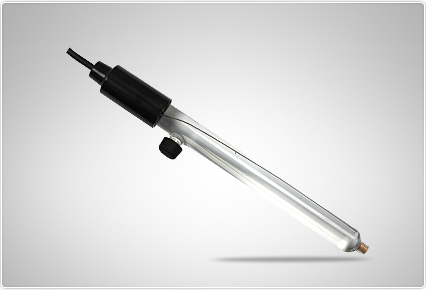
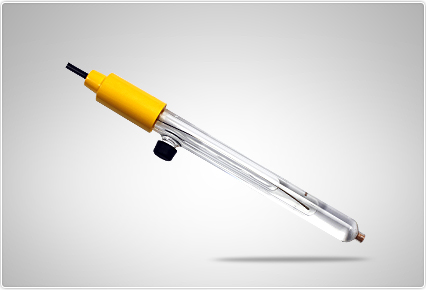
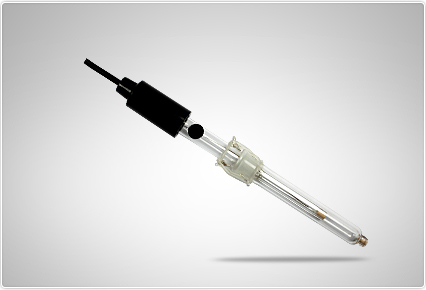
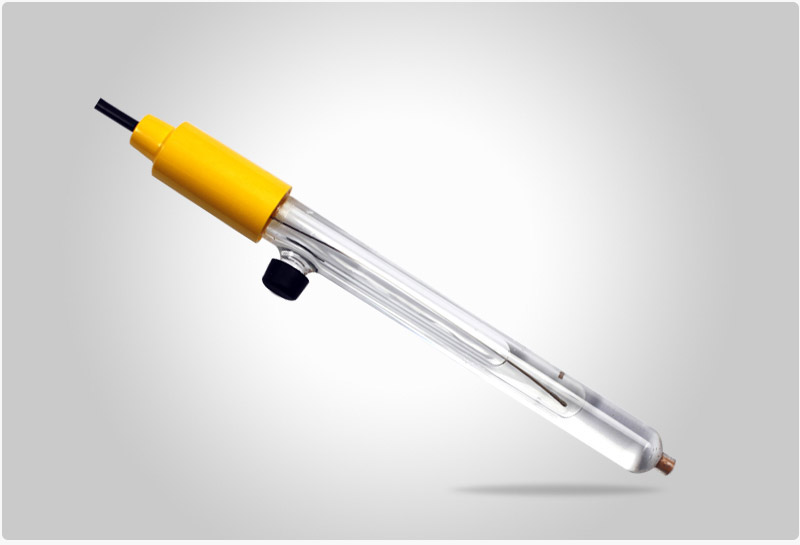
Sanxin 6211 reference electrode
Price:¥150
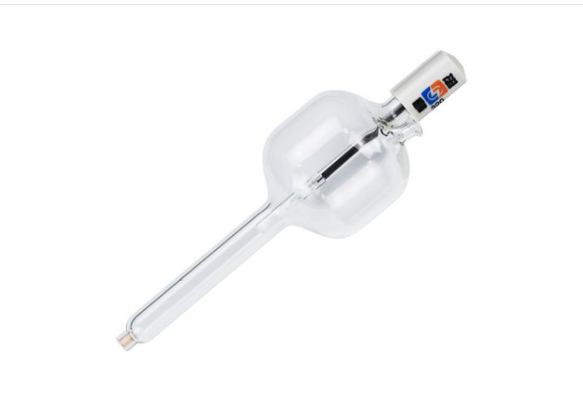



The reference electrode is an electrode used as a reference comparison when measuring various electrode potentials. Common reference electrodes include calomel electrodes and silver /Silver chloride electrodes, etc. Reference electrodes are generally pH Indicator electrode, ion selection electrode, and metal electrode form an electrode pair for measuring solution pH value, ion concentration value or used for potential titration analysis.
Application of reference electrode
232/232-01、222、212:The most widely used reference electrode, with stable and reliable performance. High temperature (more than 70 ℃)performance becomes worse. The electrode contains mercury and should not be discarded at will.
217:Section 2: The supplementary solution for salt bridge can be selected according to user needs. If the lower chloride ion concentration in the sample is measured, the second salt bridge can be filled with a potassium nitrate solution to prevent the potassium chloride of the first salt bridge from directly penetrating into the sample, affecting the measurement results of the chloride ions.
6802:Specially used for 6801 series sodium ion selection electrode matching.
Other reference electrode applications
C(K2SO4)Reference electrode: a commonly used reference electrode, which contains no chloride ions in the reference solution and is suitable for use in non-chlorine ions.
silver /Silver chloride reference electrode: a widely used reference electrode, with a slightly shorter service life compared to calomel electrode, but its production materials are environmentally friendly.
Technical parameters
Temperature range: 5-55 ℃
Salt bridge material: ceramic sand core
Reference type: Saturated calomele single salt bridge type
Filling liquid: saturated KCl
Housing material: glass
Dimensions: Φ10×75 mm
Connectors: U Fork sheet
 Subscription numberWeChat Mini Program
SimplabCopyright 京ICP备09066698号-16